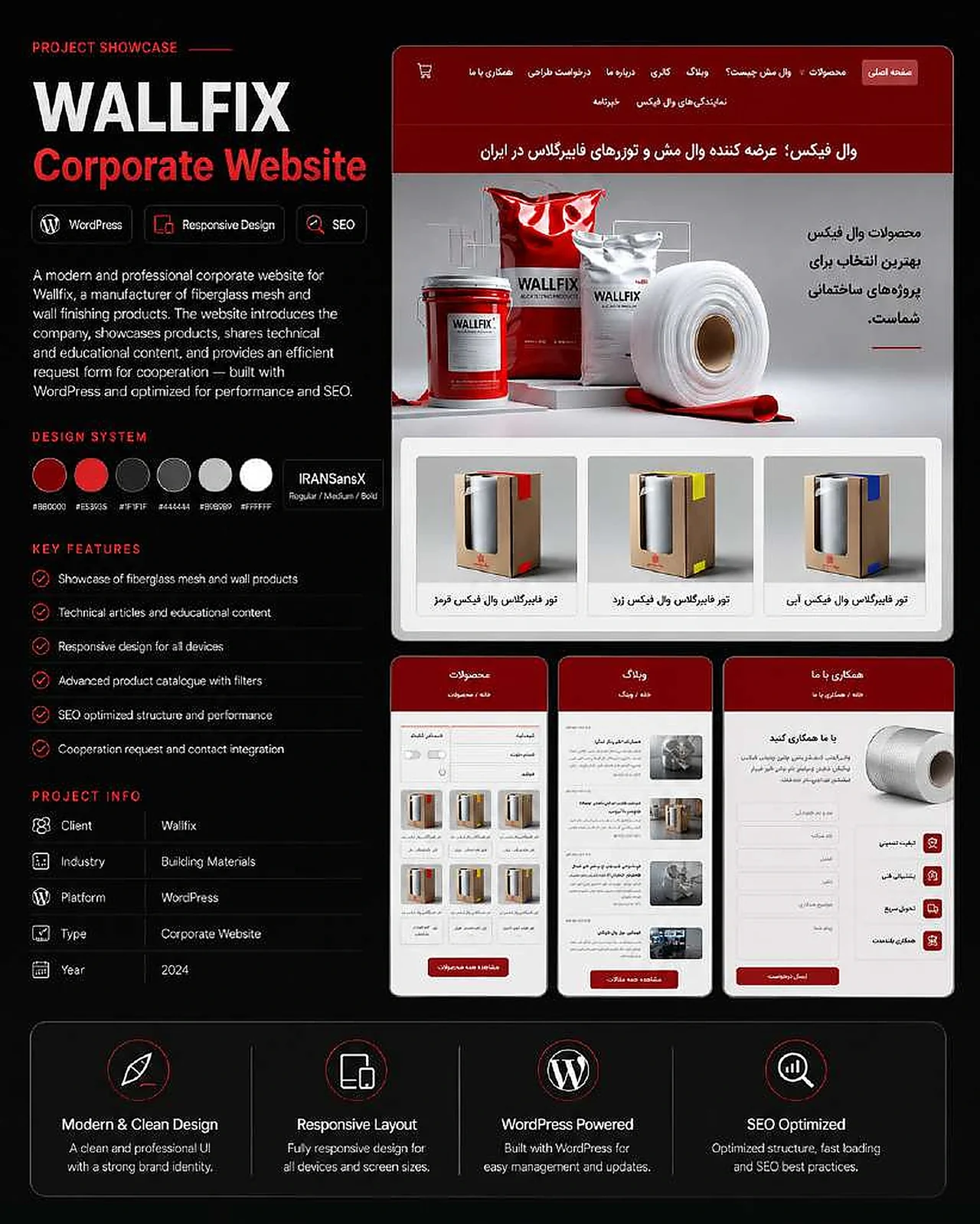
Wallfix
Corporate website for Wallfix, a provider of wall mesh and fiberglass products in Iran. Includes product categories, educational blog content, image gallery, cooperation/design request forms, responsive design, and SEO.
Updates, backups, hardening, migration, troubleshooting, and technical support for business-critical WordPress websites.
Every engagement is shaped around the business goal and current website. The exact scope is confirmed before work begins.
Corporate website for Wallfix, a provider of wall mesh and fiberglass products in Iran. Includes product categories, educational blog content, image gallery, cooperation/design request forms, responsive design, and SEO.
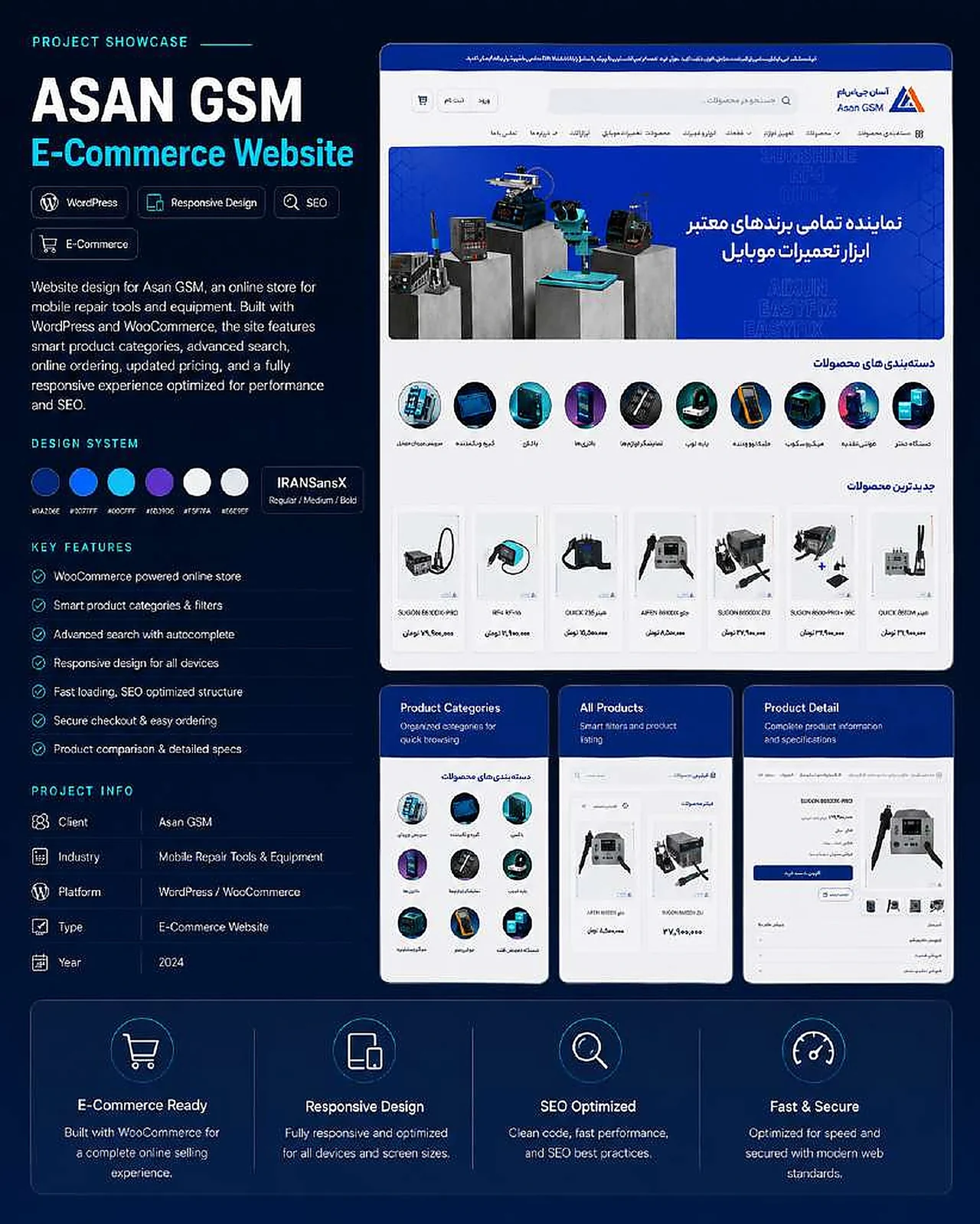
E-commerce website for a mobile repair tools and equipment store. Includes product categories, advanced search, online ordering, updated pricing, responsive design, and SEO best practices.
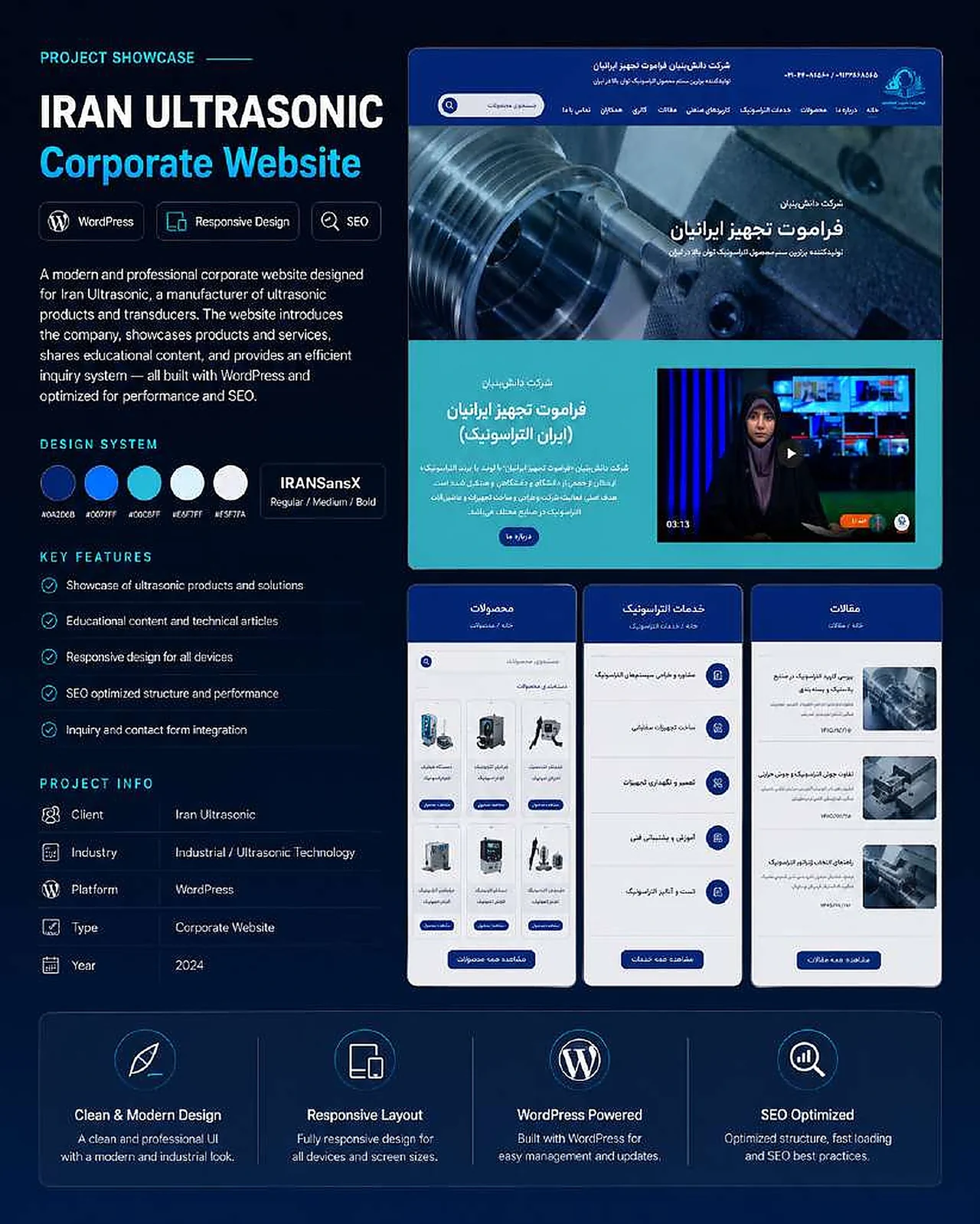
Corporate website for Farasoot Tajhiz Iranian, presenting ultrasonic products, specialized services, educational content, and product categories. Built with WordPress with responsive design and SEO principles.
List the website’s critical features, hosting arrangement and who can approve changes. Maintenance can cover updates, backups, troubleshooting and agreed security checks. New features, content production and emergency recovery should be explicitly scoped rather than assumed to be part of every support request.
Define what is backed up, where copies are kept and how restoration is checked. Before significant updates, establish a recovery point and use a staging environment when practical. After updates, verify the important customer journeys instead of relying only on the dashboard status.
Agree the communication channel, response arrangements and responsibilities for third-party services. Security work reduces exposure but cannot guarantee that a site will never be compromised. If the website is already infected or unavailable, describe the symptoms so recovery can be assessed as a separate task.
Only when included in the agreed scope. Feature development and recurring technical care have different requirements and should be planned accordingly.
Migration can be assessed after reviewing the current and destination hosting, site size, email dependencies and acceptable downtime.